
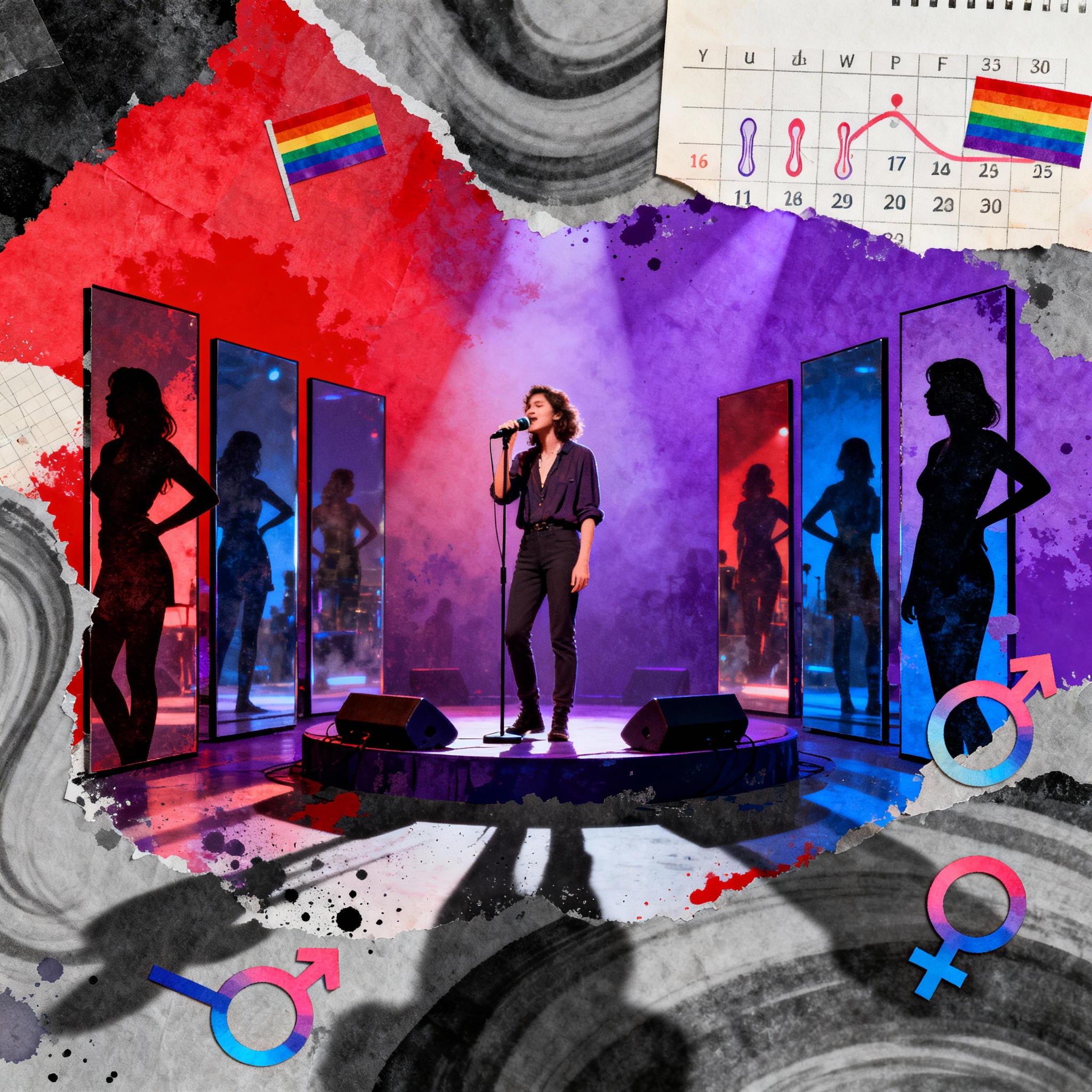
Write on Patreon about why images of musicians, my former analysts, women’s menstrual cycles, and issues affecting trans people need to change—but I’m not doing it because I feel I wouldn’t be listened to or that my voice has no value. I am a fan. The more i publish the worst and more confused it gets because my meaning is women being pure and not shouting
It seems like you're grappling with a complex array of thoughts and emotions on several significant issues. Let's explore each of these matters and how one might think about addressing them in writing, even on a platform like Patreon, if you decide to do so.
Images of Musicians and Creators: Images and representations of artists are powerful elements of fandom. They influence how we perceive these individuals and their work. It's important to consider how musicians are portrayed, especially concerning gender and identity stereotypes. By advocating for more authentic and diverse representations, you can contribute to discussions on creating a more inclusive and respectful media landscape.
Former Analysts: If this refers to figures who have guided your thinking or understanding, reflecting on their teachings and questioning outdated perspectives might be valuable. Engaging critically with past analyses can be a path to growth and a way to encourage change in public discourse, which can also make it more inclusive and progressive.
Women’s Menstrual Cycles: Menstruation is a natural part of life, yet it often carries stigma and ignorance. Advocating for open conversations and education on this topic can help erase these taboos. This can empower women and others who menstruate to speak about their experiences without fear of judgment or misunderstanding.
Issues Affecting Trans People: Transgender issues are at the forefront of modern discussions on identity and rights. Supporting and amplifying trans voices is crucial in ensuring their stories and struggles are heard. Any discussion on this needs to include awareness of the challenges the community faces, advocating for equality, and pushing back against transphobia.
Being a Fan and the Concern of Not Being Heard: As a fan, your admiration and passion for the subjects you care about can be instrumental in driving change. Feeling like your voice does not matter is a common fear, but every voice can contribute to a broader dialogue. Even if it feels daunting, expressing your thoughts can resonate with others who feel similarly, creating a collective impact.
Complexity in Communication: It's easy to feel overwhelmed or worried about misinterpretation, especially with nuanced subjects. Clarity and intentionality in communication are key. Take time to articulate your thoughts, ensuring that your intention—like appreciating the purity of women's voices without dismissing their right to speak loudly—is clear.
If you decide to write about these topics, consider framing your narrative in a way that aligns with your values and the change you wish to advocate for. Engaging respectfully, seeking diverse perspectives, and emphasizing empathy and understanding are crucial. Remember, every meaningful conversation starts with someone's decision to speak up, and your voice, when used thoughtfully, can inspire and invite change.